A plain hand-wash method for Tesla Model 3 and Model Y: what you need, what to avoid, and how to dry without scratching.
2026 Model Y (Juniper 5-seat): this wash method is the same on current Model Y paint as on other 3/Y. For exact-fit accessories — mats, screen, cargo — see our Best Model Y Juniper Accessories guide.
30–40 min
Beginner friendly
Model 3 + Model Y
Quick answer
How to Wash a Tesla Without Scratching It
Rinse off loose dirt first, wash top to bottom with mild automotive shampoo and clean, soft microfiber, rinse completely, and dry with a clean microfiber drying towel.
Wash in the shade while the paint is cool.
Unplug the car and turn on Car Wash Mode (Controls → Service → Car Wash Mode).
Rinse loose dirt off thoroughly before you touch the paint.
Wash top to bottom with mild automotive shampoo and clean, soft microfiber.
Rinse completely. Don’t let soap dry on the car.
Dry with a clean microfiber drying towel.
Keep wheel towels and tools separate from the ones used on paint.
Pressure washer: keep the nozzle 12 in / 30 cm or more away and moving. Keep aggressive spray away from cameras, seals, charge-port components, and other sensitive areas.
Cameras: use water and a clean microfiber cloth on the lenses. No glass cleaner.
Automatic washes: touchless is preferred over brush-style. Tesla’s manual says touchless only.
One method, two lengths. Quick Wash is 6 steps for a normal dirty car. Full Detail is 10 steps and adds wheels, foam, blow-out, glass and cameras, and protection.
Gear picks with photos are at the bottom; named products in the steps link to Amazon.
Watch out.
Shade, cool paint; Car Wash Mode on; not charging
Mild shampoo; soft microfiber cloth, not a mitt
Pressure washer ≥12 in / 30 cm, moving; not aimed at parking sensors, seals, modules, cabling, or the charge port
Skip chemical wheel cleaners and pre-wash products
No hydrophobic treatment on the front windshield
Camera lenses: water spray + clean microfiber only — never glass cleaner or abrasives
Same-day: soften and lift bird droppings, bugs, tree resin, and tar — do not dry-wipe. Tesla says remove corrosive stuff immediately.
Step 1: Prepare the Car
Park in the shade, unplug the car, and turn on Car Wash Mode before any water touches it.
Park in the shade on a cool car
Unplug. Do not wash while charging
Controls → Service → Car Wash Mode (the car must be stationary and not charging)
Confirm windows up, charge port locked, wipers off, Sentry off
Keep wheel brushes and towels separate from anything used on the paint.
Why separate towels: wheel towels pick up brake dust and road grit, and that grit can scratch paint if it transfers. Store dirty wheel towels apart from paint towels.
Step 2: Clean the Wheels
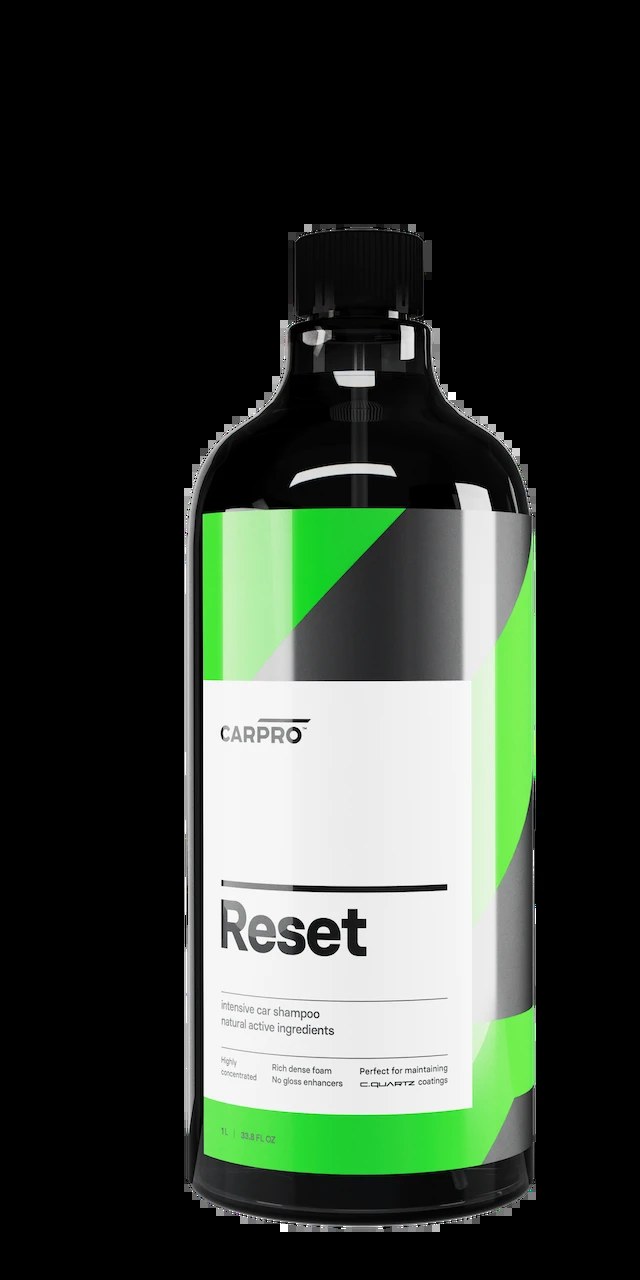
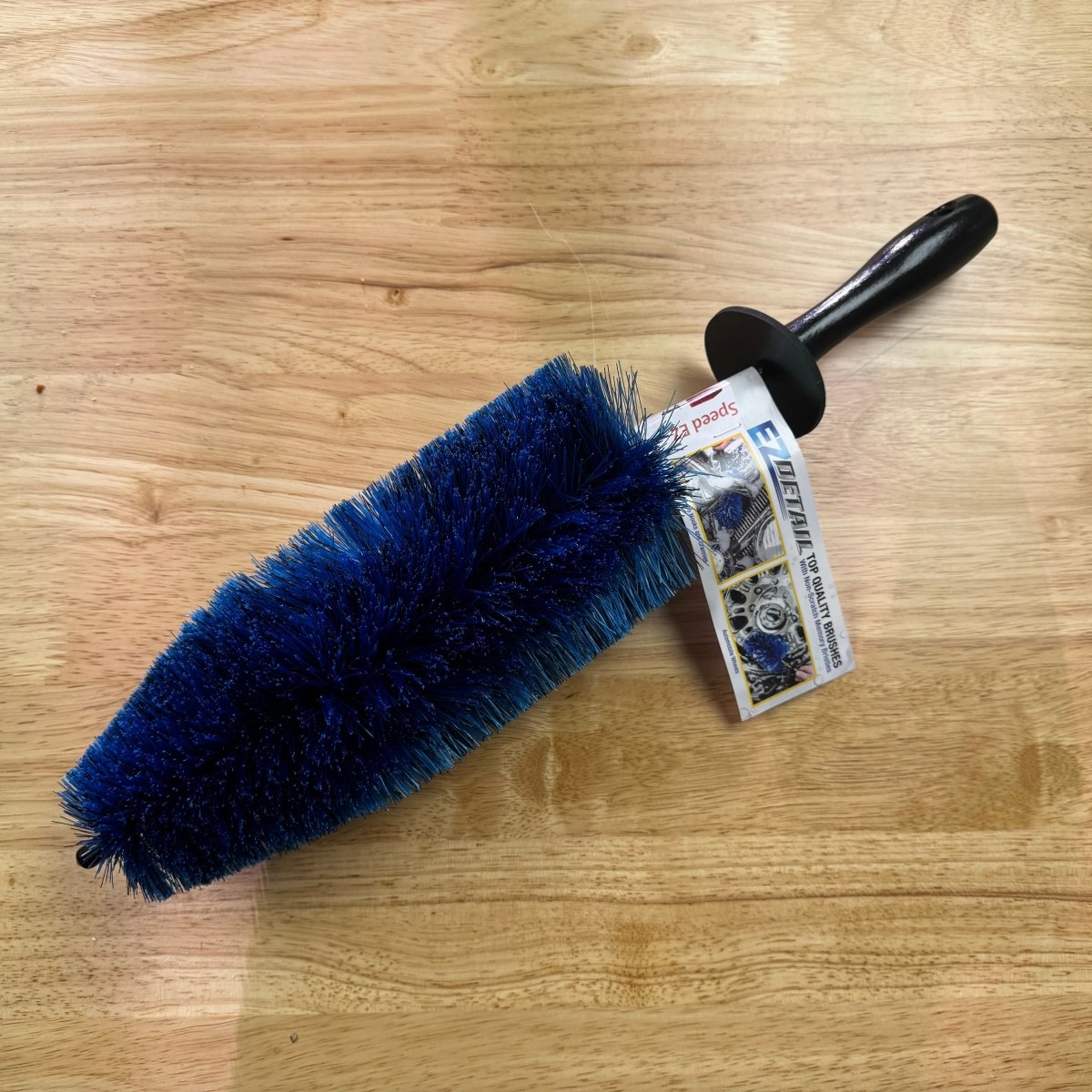
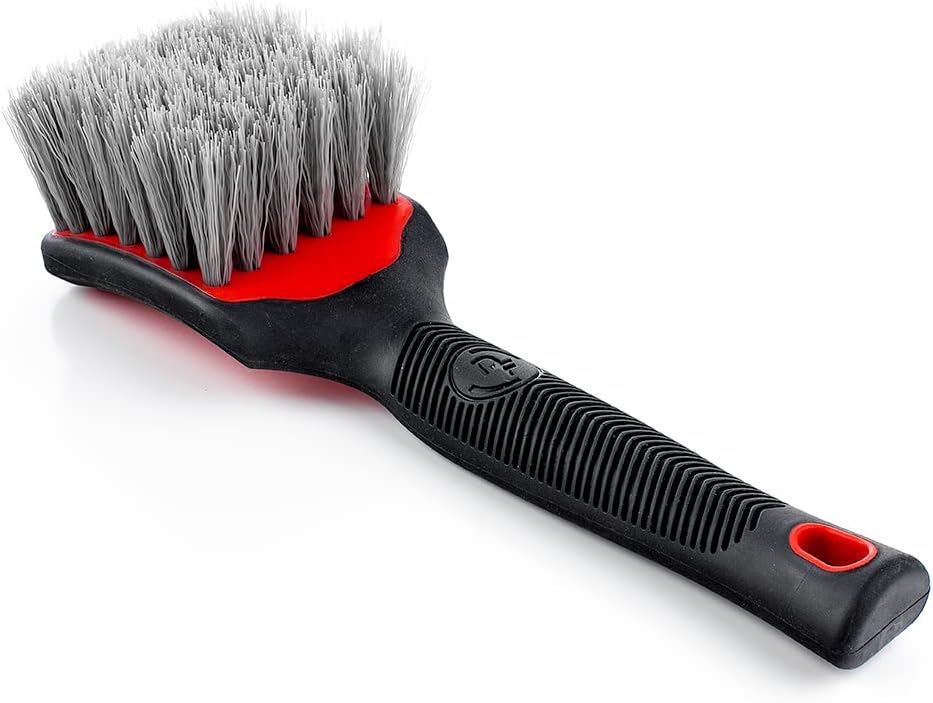
Clean the wheels first, while they are cool, so brake dust and grit don’t get carried onto the paint. Work one wheel at a time with CARPRO Reset — not a chemical wheel cleaner. Reach behind spokes with the EZ Detail Big Wheel Brush; scrub sidewalls with the Detail Factory ProGrip Tire Brush. Keep wheel brushes and wheel towels off anything that touches paint.
Step 3: Pre-Rinse
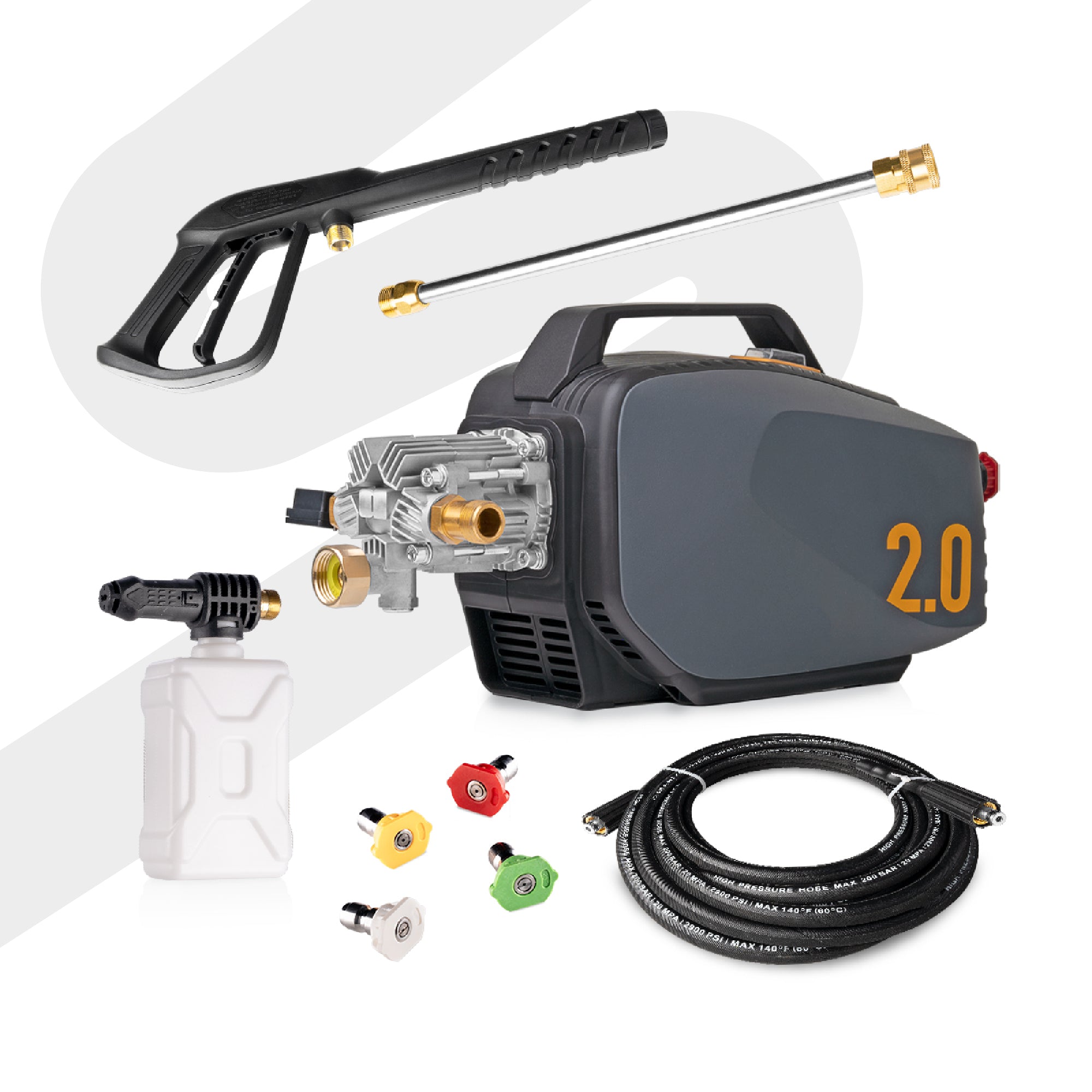
Pre-rinse to remove loose dirt and grit before you touch the paint, so the wash towel does not drag it across the surface. A garden hose with a spray nozzle is completely acceptable. A pressure washer (optional: ACTIVE 2.0) is an upgrade, not a requirement.
Rinse top to bottom. Hit wheel wells, panel seams, and — after road salt — the underside and brakes. If you use a pressure washer, keep the nozzle at least 12 inches / 30 cm from the vehicle, keep it moving, and do not aim at parking sensors, seals, modules, cabling, or the charge port.
Step 4: Foam the Car (Optional)
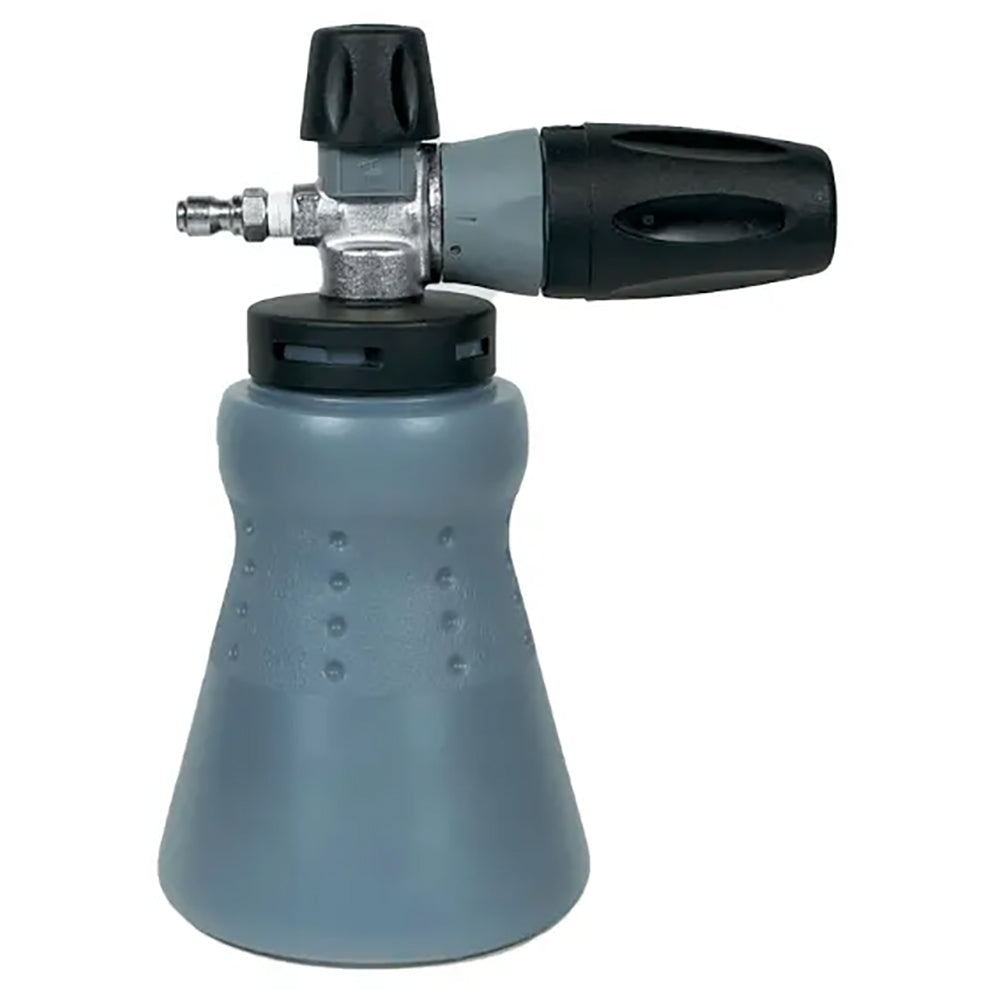
Foam is optional: it adds lubrication before the contact wash but is not what makes the wash safe. If you have the MTM Hydro PF22.2, mix CARPRO Reset about 1:9 (about 3–4 oz in a 32 oz bottle). Cover the car from the top down. Let it dwell briefly. Never let it dry. Rinse the loosened dirt away.
No foam cannon? Skip this step.
Step 5: Contact Wash
Wash top to bottom with mild shampoo and clean microfiber towels, using light pressure and a clean towel face for every pass. This is a multi-towel wash, not a classic two-bucket mitt wash.
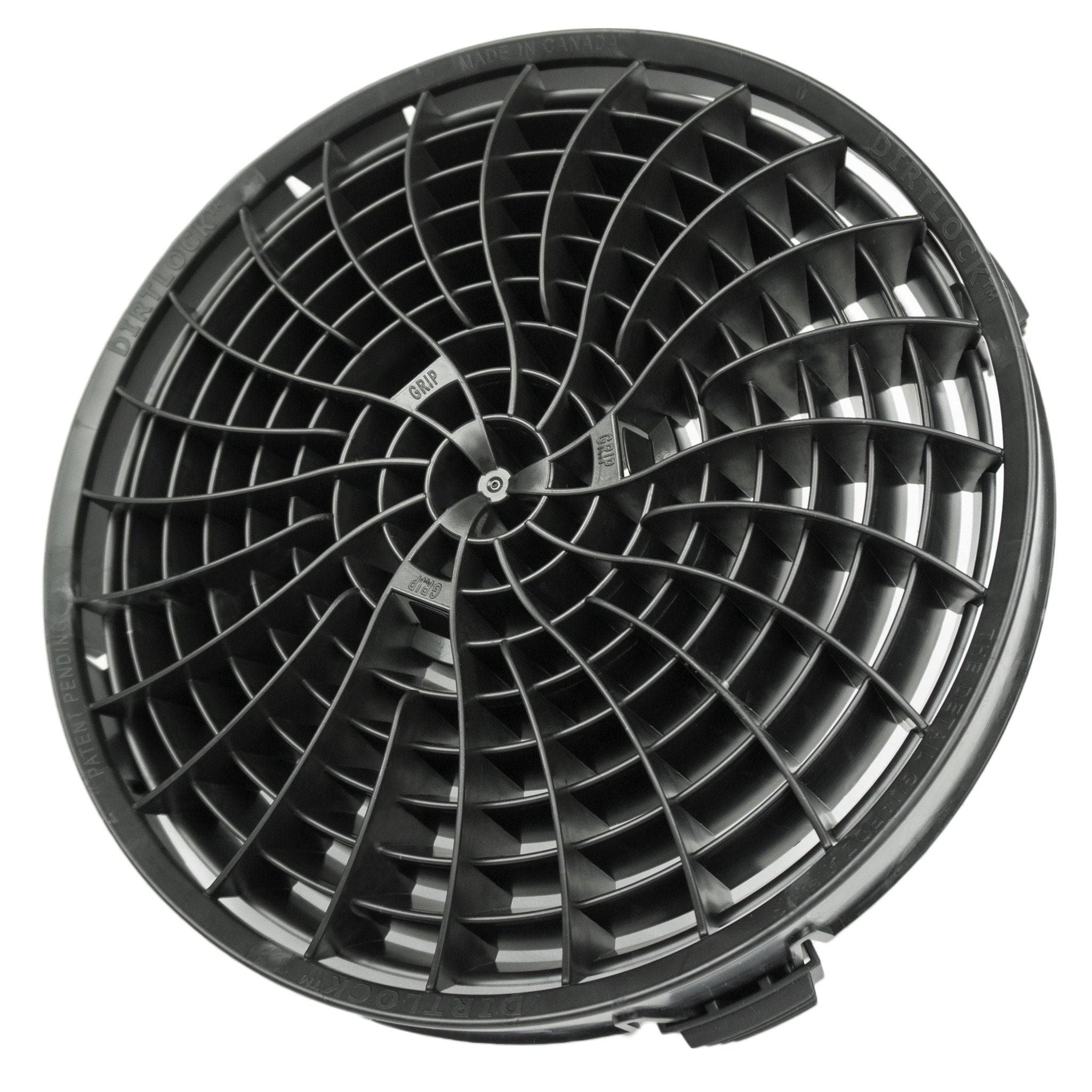
Mix about 1 oz CARPRO Reset in 3–4 gallons of water. Two ordinary 5-gallon buckets from a hardware store — we are not ranking a cheap bucket.
Paint dirty-towel dump: used paint towels only. A dirty face does not go back into clean soap.
Wheel gear: brushes and wheel towels stay in a separate container/caddy — never in the paint dirty-towel dump. Wash wheel towels in their own laundry load.
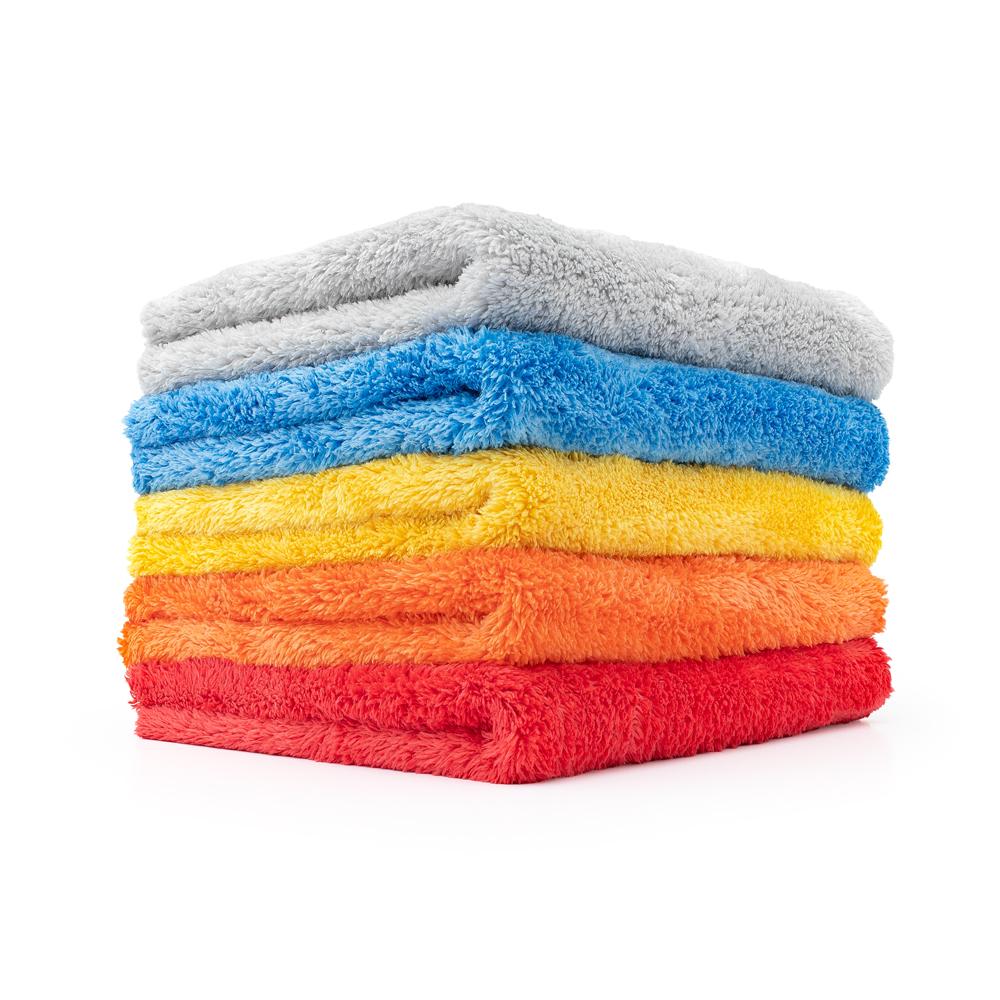
Use multiple clean The Rag Company Eagle Edgeless 500 towels. Very light pressure. A clean towel face for every pass. Dirty face: flip. When every clean section is used, retire the towel to the dump bucket.
Work cleanest to dirtiest: roof, glass, hood, upper doors, hatch, lower doors, bumpers, rocker panels.
Step 6: Final Rinse
Rinse the whole car top to bottom until no suds remain. Do not let shampoo dry on paint, trim, glass, or panel gaps. A hose or a pressure washer works; the pressure-washer limits are in Can You Pressure Wash a Tesla?
Step 7: Blow Out Trapped Water (Optional)
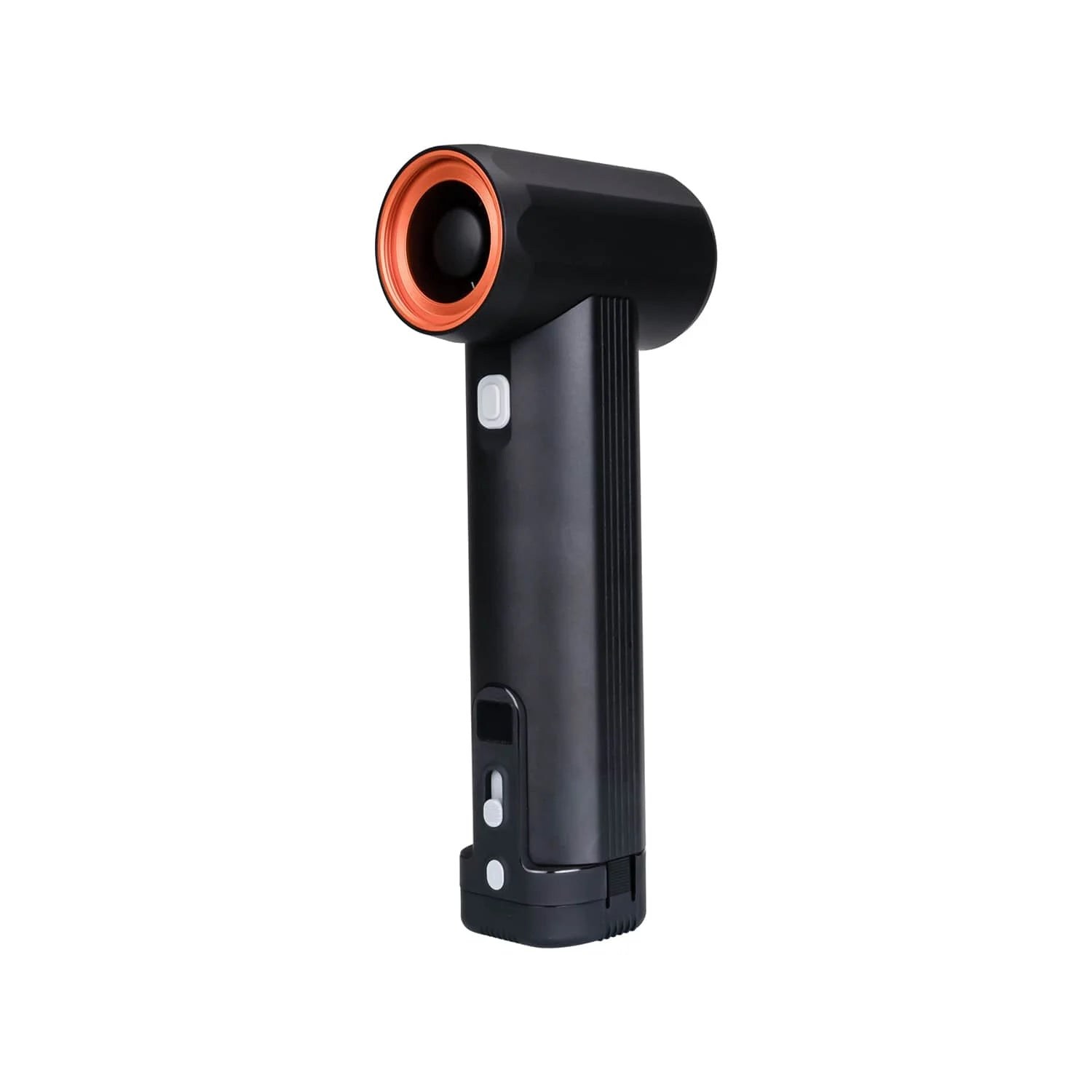
A blower (KiCA Jet Fan MAX) pulls trapped water out of mirrors, trim, lights, badges, wheels, panel gaps, hatch seams, and roof channels so the drying towel is not grinding grit. No blower? Skip this step and pay extra attention to those creases when you towel-dry.
Step 8: Dry
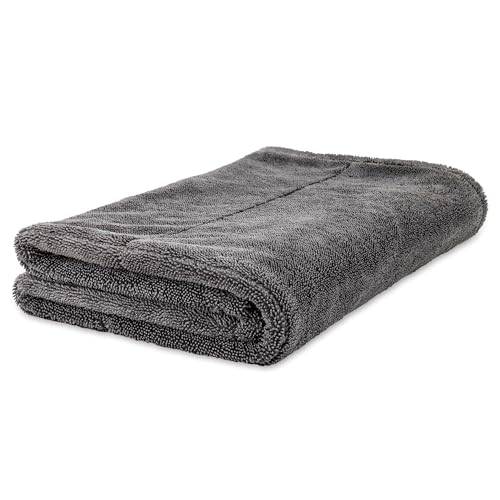
Dry with a clean microfiber drying towel. Lay the Griot’s XL PFM Edgeless Drying Towel on a panel and drag once. Minimal pressure. Let it absorb. If it hits the ground, stop until it has been washed.
Final check (Quick Wash step 6): walk around the car for leftover water, streaks, and missed spots. Check glass, mirrors, and camera lenses. Dry the charge port before you plug back in. A short drive with a few brake applications helps brake parts dry.
Step 9: Clean Glass and Cameras
How to Clean Tesla Glass
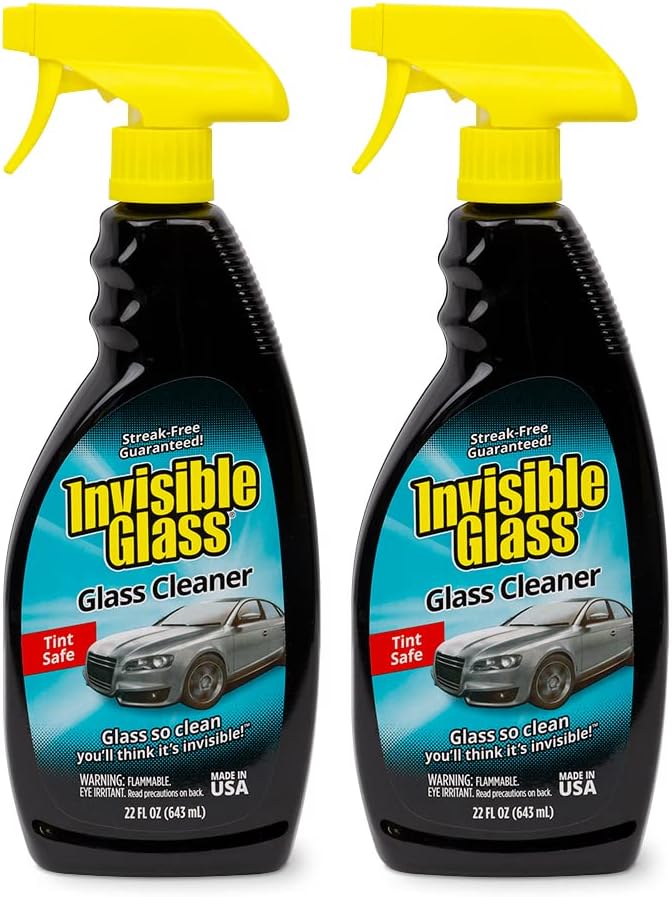
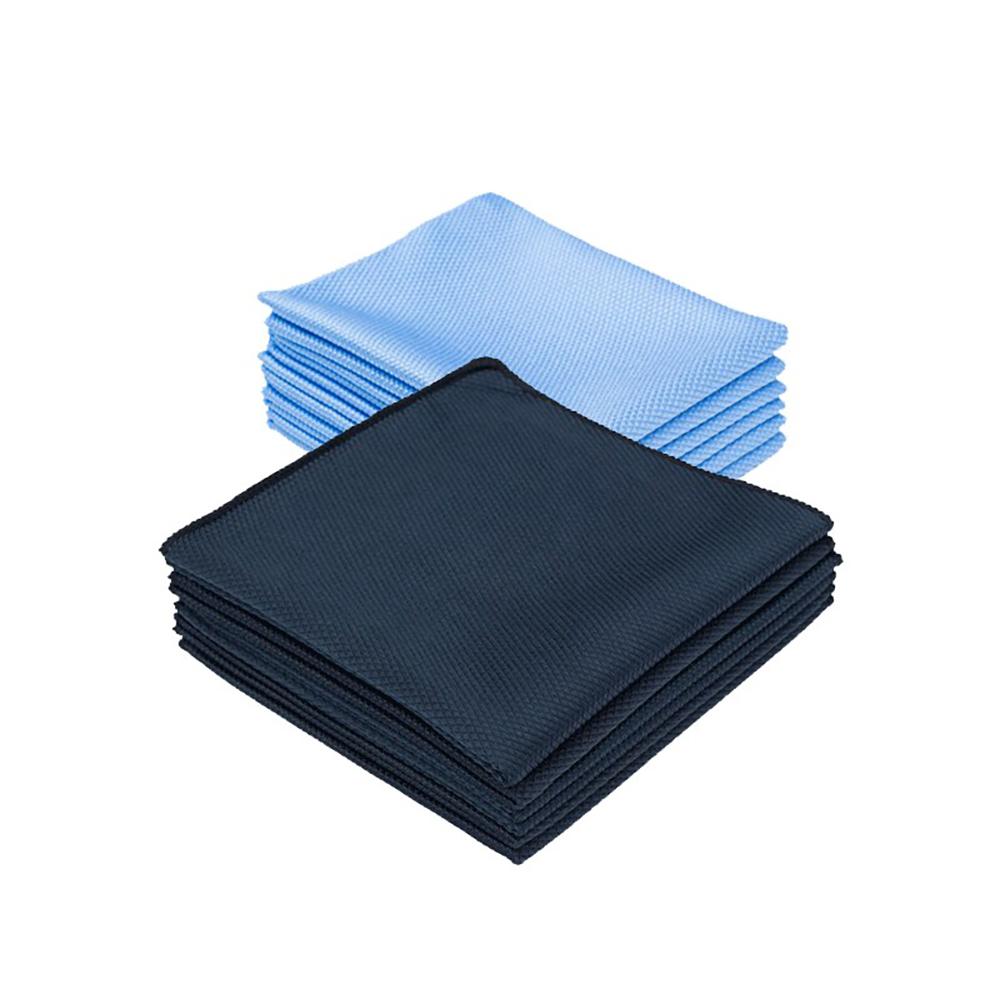
Clean glass with a residue-free glass cleaner on dedicated glass towels, on glass only: Invisible Glass on The Rag Company Diamond Weave Glass Towels. Apply cleaner to the glass towel, wipe windshield and side glass, flip to a dry side, final wipe. Wash the glass roof with the paint and dry it so hard-water spots don’t set.
How to Clean Tesla Cameras
Spray water onto the lens, then dry it with a clean microfiber cloth. Never use glass cleaner or abrasive cleaners on camera lenses.
Watch out. Not Clean & Repel. Do not put a hydrophobic coating on the front windshield — Tesla advises against it because it may affect forward-camera visibility. Hydrophobic glass coatings are allowed on side and rear glass only. Do not use Invisible Glass on camera lenses.
Step 10: Protect the Paint (Optional)
Protection is optional. If you add it, work in shade on cool paint, one panel at a time, and stay off the front windshield and cameras.
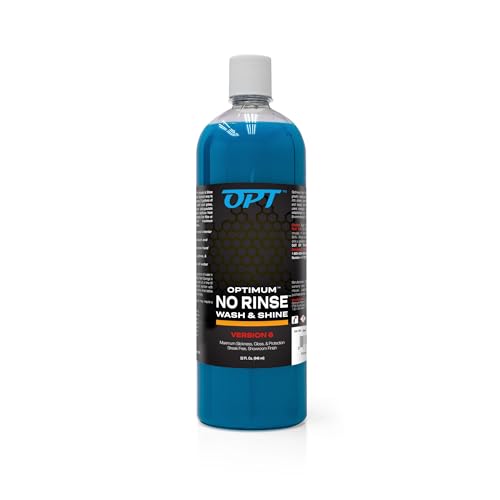
Optimum No Rinse V6 for light dust or apartment days without a hose. Mix 1 oz ONR per 2 gallons; one towel face per panel. Heavy grit? Rinse first.
Microfiber Care
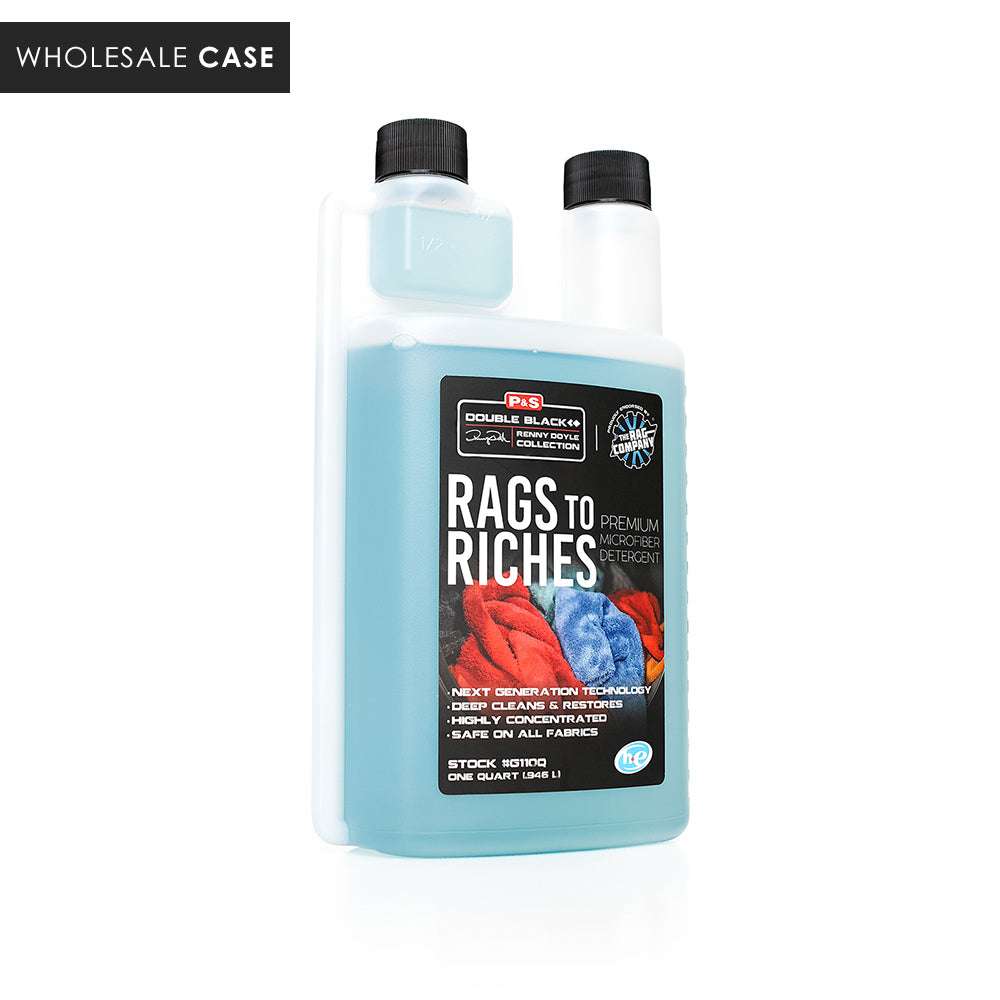
Wash with P&S Rags to Riches after every wash. Wheel towels in their own load. No fabric softener or dryer sheets; low heat or hang dry.
What Not to Use
Dish soap or hot water
Acidic/caustic wheel cleaners or chemical pre-wash
Rain-X / Clean & Repel on the front windshield
Brush or soft-cloth tunnel washes; waffle-weave towels on paint
Glass cleaner or abrasives on camera lenses; fabric softener on wash towels
Can You Pressure Wash a Tesla?
Yes, with limits. Tesla’s manual says to keep the nozzle at least 12 in / 30 cm from the car, keep it moving without concentrating the jet on one area, avoid aiming at parking sensors, and never spray at high velocity toward the charge port while the car is charging. A garden hose is enough; a pressure washer only rinses faster.
General practice beyond the manual:
Unplug the car and turn on Car Wash Mode first.
Use the widest spray tip you have and stay back farther near edges.
Keep the spray away from cameras, seals, trim edges, and charge-port components. Don’t blast PPF edges.
Can You Take a Tesla Through an Automatic Car Wash?
Yes, if it is a touchless wash. Tesla’s manual says to use touchless car washes only, meaning no brushes or other parts touch the car. Brush-style and soft-cloth tunnels are the ones to avoid.
Turn on Car Wash Mode first. The car must be stationary and not charging.
For a conveyor wash, Tesla says to enable Free Roll so the car stays in Neutral.
Lock the car, and avoid touchscreen controls that could open a door or trunk during the wash.
Tesla says damage caused by car washes is not covered by the warranty. If you can hand wash instead, you control what touches the paint. Tesla exterior care.
Best Tesla Car-Wash Products
One pick per task, in the order used in the steps. A hose, two buckets, mild shampoo, soft microfiber wash towels, and a drying towel are enough to wash safely. A pressure washer, foam cannon, blower, ceramic spray, glass towels, and microfiber detergent are optional. Each button goes to the same Amazon listing as the product links in the steps.
Evidence: none of these products carries an Owned & Tested designation, so each card says Not Independently Tested. See Owned & Tested for what we have used.
Core wash
3YList PickCoreBest Soap
CARPRO Reset
Why we recommend it: Mild coating-safe shampoo for wheels, foam, and contact wash — one bottle covers the whole wash.
Buy this if you want one mild shampoo for wheels, foam, and contact wash. Skip this if you already have a mild automotive shampoo you like.
Why we recommend it: Edgeless 500 gsm microfiber. Tesla’s manual recommends a high-quality microfiber cloth, and a plush towel lets you flip to a clean face instead of dragging grit.
Buy this if you need several plush wash towels so every pass uses a clean face. Skip this if you already own plenty of soft, clean microfiber.
Why we recommend it: Residue-free ammonia-free glass cleaner — not Clean & Repel, not a hydrophobic windshield coating.
Buy this if you want a residue-free cleaner for the windshield and side glass. Skip this if you want a hydrophobic windshield coating (this isn’t one), and never use it on camera lenses.
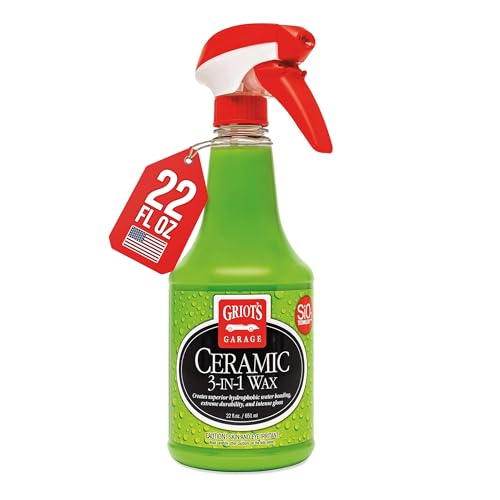
Why we recommend it: Spray-on paint sealant for cool, shade-dried paint. Stay off the front windshield and cameras.
Buy this if you want a spray sealant on unprotected or DIY-sealed paint. Skip this if you have professional ceramic or PPF; follow that maker’s care instructions.
No. A garden hose with a spray nozzle is enough. A pressure washer is an optional upgrade for faster rinsing. If you use one, keep the nozzle at least 12 inches / 30 cm from the vehicle, keep it moving, and do not aim at parking sensors, seals, modules, cabling, or the charge port. Tesla Model Y Cleaning (Model 3 uses the same guidance).
Are automatic car washes safe for a Tesla?
If you cannot hand wash, Tesla allows touchless only — not brush or soft-cloth tunnels. Turn on Car Wash Mode. Wash damage is not covered by Tesla. Tesla Cleaning.
What is Car Wash Mode and when do I turn it on?
Before any water: Controls → Service → Car Wash Mode. Use it when the car is stationary and not charging. It closes windows, locks the charge port, turns off wipers and Sentry, and can enable Free Roll for a conveyor. Tesla Cleaning.
What soap should I use to wash a Tesla?
A mild, high-quality automotive shampoo. Tesla’s manual calls for a clean soft cloth, cold or lukewarm water, and a mild, high-quality car shampoo. Skip dish soap. Our pick is CARPRO Reset.
Do I need a foam cannon to wash a Tesla?
No. Foam adds lubrication before the contact wash but is optional, and a hose-and-towels wash is just as valid. Foam cannons are generally used with a pressure washer.
How should I clean Tesla cameras?
Remove dirt/debris by spraying water onto the camera lens, then carefully dry with a clean microfiber cloth. Do not use chemical or abrasive cleaners on camera lenses — glass cleaner is for glass only. Weekly in wet weather, monthly in dry. The front camera washer is in the Camera app. Tesla Model Y Cleaning a Camera.
How often should I wash my Tesla?
Every two to four weeks is a common routine, not a Tesla requirement. Wash sooner after road salt, and remove bird droppings, bugs, and tree resin the same day. Tesla says to remove corrosive substances promptly and rinse road salt off thoroughly.
Do I need the two-bucket method?
Not the classic mitt version. This guide uses one bucket of soapy water and a second bucket for used towels, with a clean towel face for every pass. Tesla advises against washing mitts. Two plain buckets are enough.
Can I wash a ceramic-coated Tesla the same way?
Yes, use the same hand-wash method with mild shampoo and clean microfiber. Follow the coating maker’s or installer’s care instructions, and don’t stack wax on a fresh ceramic coating.
What is the safest way to dry a Tesla?
Blow trapped water out of mirrors, trim, and gaps if you have a blower. Then lay a clean microfiber drying towel on a panel and drag it once with minimal pressure. If the towel hits the ground, stop using it until it is washed.
Can I use a washing mitt on a Tesla?
Tesla recommends a high-quality microfiber cloth and says to avoid tight-napped or rough cloths such as washing mitts. This guide uses fold-flip-retire towels for that reason. Tesla Cleaning.
Can I wash my Tesla while it is charging?
No. Unplug first. Tesla says never aim high-velocity water at the charge port while charging. Dry the charge port before you plug back in. Tesla Cleaning.
Can I put Rain-X or a hydrophobic coating on the windshield?
Not on the front windshield. Tesla warns that hydrophobic coatings there may affect forward-camera visibility. Side and rear glass only. Use a residue-free glass cleaner (we use Invisible Glass) on the windshield — never on camera lenses. Tesla Cleaning.
Do I need chemical wheel cleaners?
No. Tesla cautions against chemical-based wheel cleaners and pre-wash products. Wash cool wheels with the same mild shampoo (CARPRO Reset) and dedicated wheel brushes/towels that never touch paint or go in the paint dirty-towel dump.
How long does a hand wash take?
About 30–40 minutes once the motion is memorized — shade, cool paint, wheels first, rinse, contact wash, rinse, dry. Foam and a blower add a few minutes but are optional.
What if I only have a garden hose and no wash kit yet?
You can still follow this guide with a hose, two buckets, mild car shampoo, soft microfiber towels, and a drying towel. Skip foam, pressure washer, brushes, blower, ceramic spray, glass towels, and microfiber detergent until you want upgrades.